
Inventory Management
How to build a critical spares list that actually protects production
Most critical spares lists are written once and then quietly drift out of date. Here is a practical method for deciding what to hold, how much of it, and who owns the decision.

Most plants have a critical spares list somewhere. It was usually written when the line was commissioned, revised once after a bad weekend, and has been drifting out of date ever since. Then the failure comes, and the part everyone assumed was on the shelf turns out to have been consumed eighteen months ago and never replaced.
A critical spares list is not a stock list. It is a risk document. It says: these are the failures we cannot absorb, and this is what we have done about them. Built properly it is one of the cheapest pieces of downtime insurance available. Built badly it creates false confidence, which is worse than having no list at all.
Start with consequence, not with the parts bin
The common mistake is to start in the stores and ask what should be added. That produces a list shaped by whatever somebody already thought to buy. Start at the process instead and work backwards.
Walk the line and ask one question at every asset: if this stopped now, what happens? Some answers are comfortable. There is a parallel unit, an hour of buffer downstream, or the plant can run at reduced rate. Other answers are not: the whole site stops, product in process is scrapped, or a customer misses a delivery slot. Those second answers are your candidate list.
Narrow it further using the failure modes that are genuinely credible. Bearings, seals, belts, couplings, drives, sensors, contactors, valves and heating elements fail because they wear or because they sit in heat, vibration, moisture or product ingress. A fabricated frame does not. Aim the money at the things that actually break.
Score the risk in a way people will use
Elaborate scoring models get abandoned within a year. Three factors are enough, and all three can be judged by the people who maintain the asset:
- Consequence. What the stoppage costs in lost output, scrapped product, labour and missed deliveries. Even a rough hourly figure beats an opinion.
- Likelihood. How often this component has failed here, on this duty, in this environment. Use your own history first and the guidance from the manufacturer second.
- Replacement lead time. Not the catalogue lead time. The realistic time to get the correct part into an engineer's hand, including sourcing, transport, and any build or configuration.
Put consequence against lead time and you have exposure. That number, rather than gut feel, should decide what gets held.
Lead time is where most lists go wrong
Teams routinely hold cheap, fast-moving items they could get the same day, and hold nothing for the parts that take twelve weeks. Geared motors built to order, large frame drives, specialist valves, custom rollers and obsolete control components are what turn a two hour job into a two week shutdown. If a part cannot be replaced inside the time the plant can tolerate being down, it belongs on the list whatever it costs.
Decide what "held" actually means
Holding a spare is not a single decision. There are several honest options, and different assets deserve different ones:
- Held on site. Right for high consequence, high likelihood items and anything needed within the hour.
- Held by your supplier on your behalf. The part is bought, allocated and ring fenced for you, but it sits on their shelf, not tying up your space or your stock value until you call it off.
- Covered by a contracted lead time. No physical stock, but a written commitment on response and delivery, which is often the sensible answer for medium consequence items.
- Accepted risk. A deliberate, recorded decision that the plant will absorb the downtime. That is a legitimate answer, provided somebody made it on purpose.
Write it so a stranger can use it at three in the morning
A list that only makes sense to the engineer who wrote it is a single point of failure. Every line should carry the asset and position, the manufacturer part number and any internal reference, the shelf or bin location, the quantity held, the minimum before reorder, and the name of the person who owns the decision.
Label the physical stock to match. If the shelf label, the system record and the list all say something different, the person under pressure will trust none of them and buy another one. That is how plants end up with three of a part they believed they had none of.
Keep it alive
The list is only as good as its last review. Two habits keep it honest. First, close the loop after every unplanned stoppage: was the part on the list, was it in stock, and did the record match reality? Second, review it whenever the plant changes, because new equipment, a new product or a changed shift pattern all move the risk.
The purpose of a critical spare is not to have stock. It is to make one specific failure survivable. If you cannot name the failure, you do not need the part.
Done properly, the exercise usually finds two things at once: gaps that would have hurt, and stock carried for years against equipment that left site long ago. The second tends to pay for the first.
Written by the Rowlec team
We have supplied and managed industrial spares for UK manufacturers since 2010, so everything here comes from work done on customer sites rather than from a catalogue.
Filed under Inventory Management
All news & insightsKeep reading
More from the
Rowlec team.
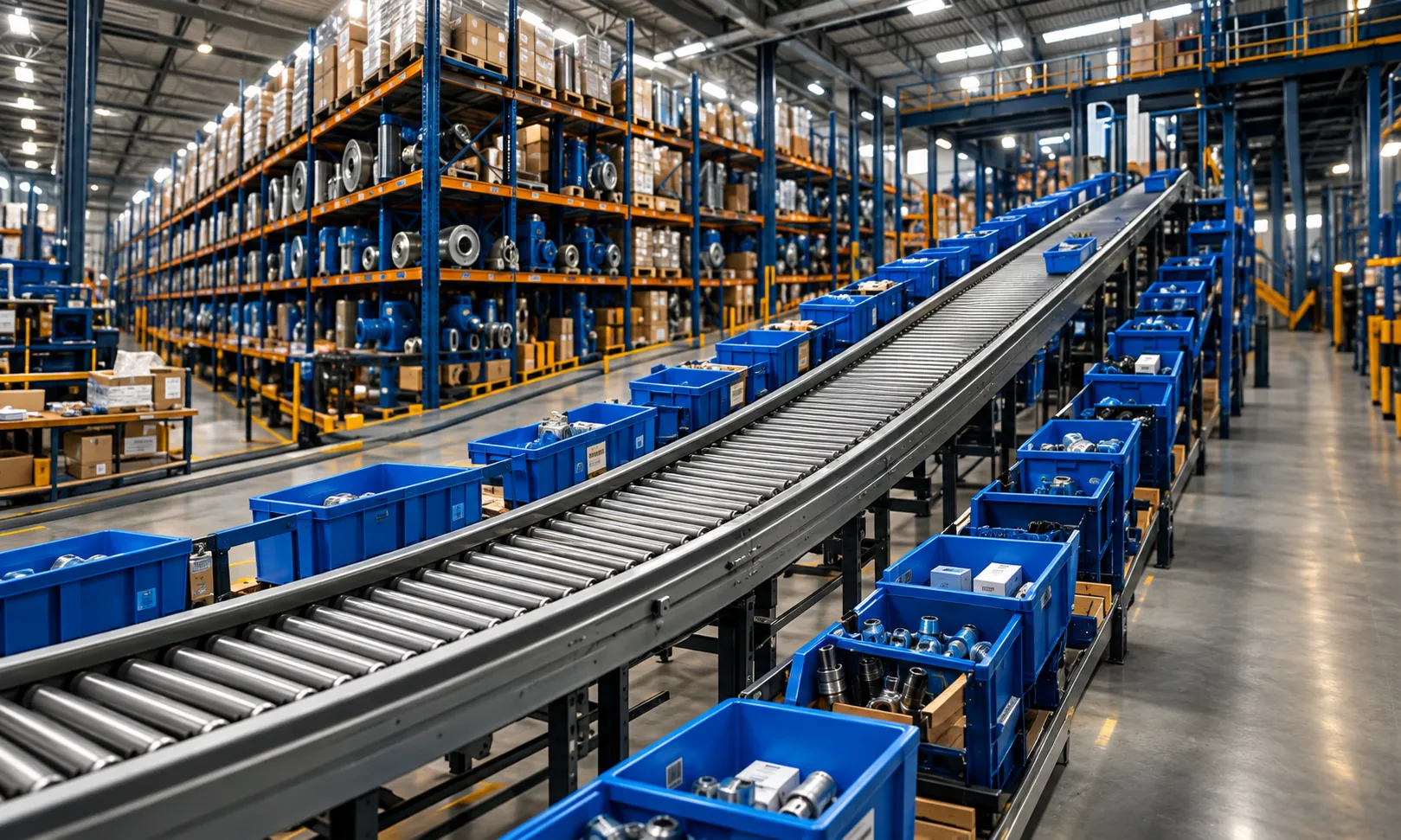 Inventory Management
Five signs your engineering stores are costing you more than you think
Stores areas rarely get attention until something goes missing mid-breakdown. These five symptoms show up on almost every site we visit, and each one has a cost attached to it.
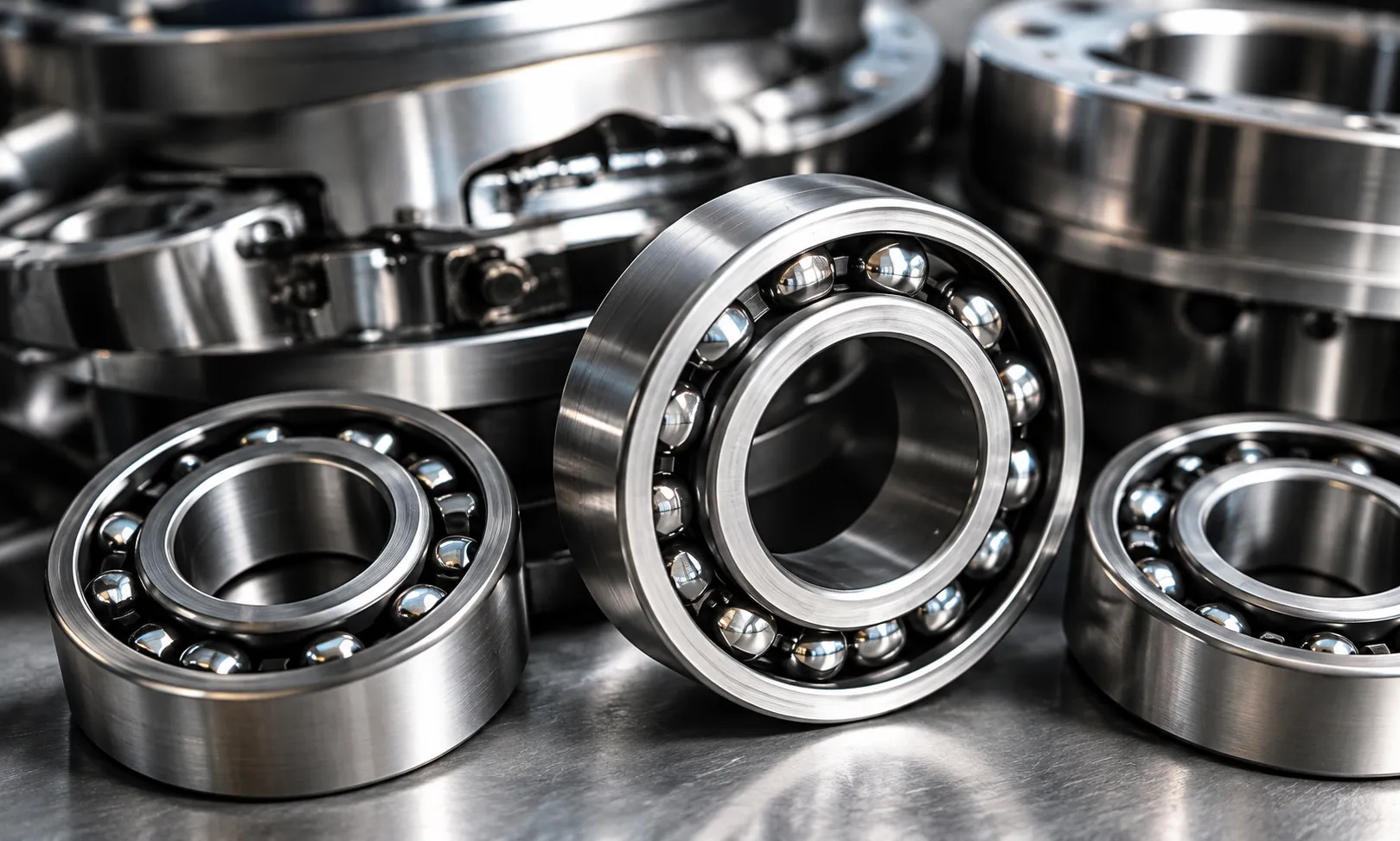 Technical Insight
Bearing failure: reading the evidence before you fit the replacement
A failed bearing is the best diagnostic tool on site, and most of them go in the bin unread. Here is how to interpret what the raceways and rolling elements are telling you.
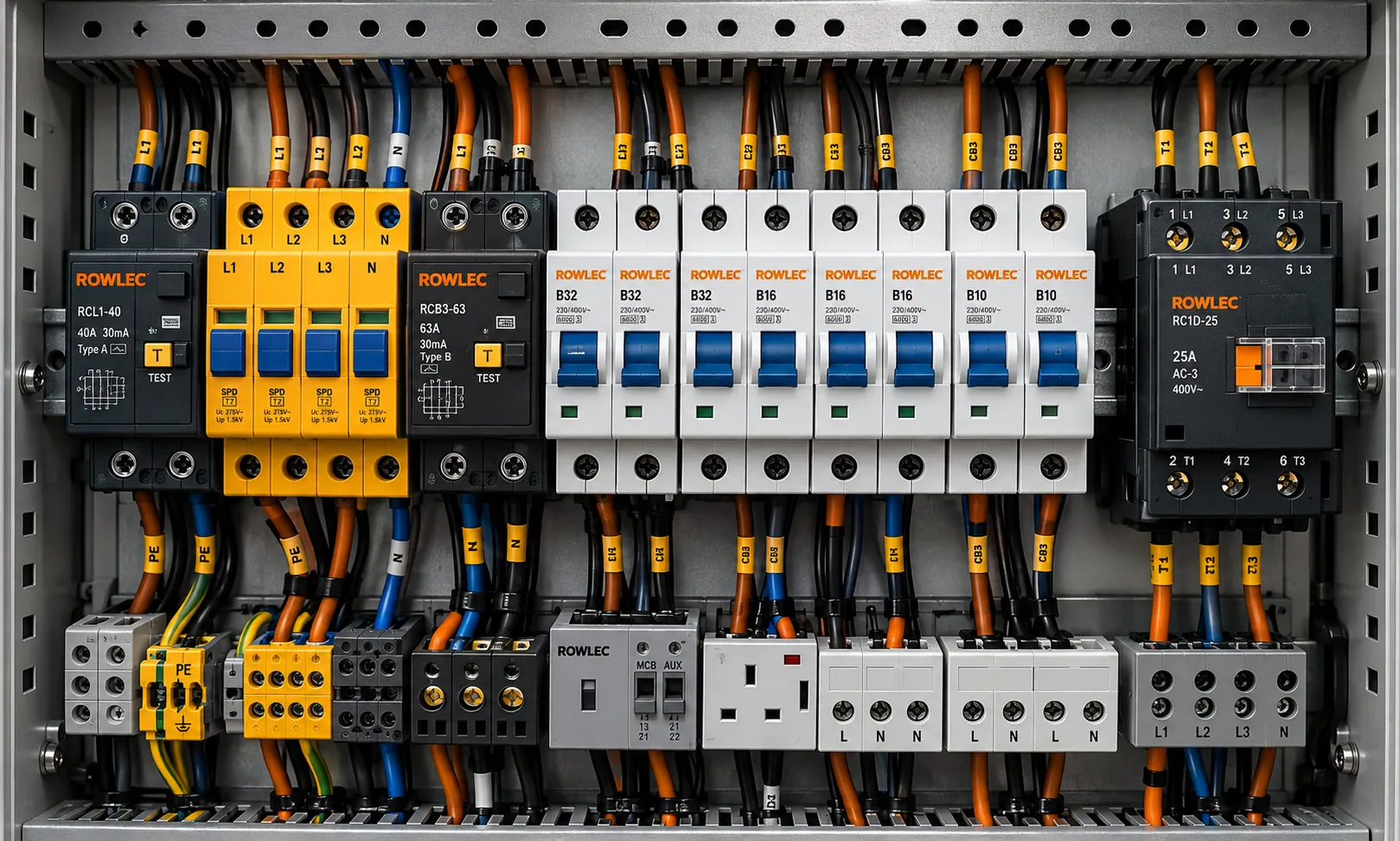 Technical Insight
Obsolete drive? What to do before you replace the whole machine
An obsolete inverter does not have to mean a capital project. There is a ladder of options between a failed drive and a full machine replacement, and most sites skip the cheap rungs.

Bring us the awkward one
Obsolete, undocumented or urgent. Those are the enquiries we are best at.
Send an enquiryRapid. Reliable. Responsive.
Emergency deliveries and around-the-clock support for our SLA customers.
Learn more